
Fat Biking for First-Timers: Snow Trails, What to Wear and Trail Rules
Reviewed by Jonathan Boettger, founder · Updated Nov 24, 2026
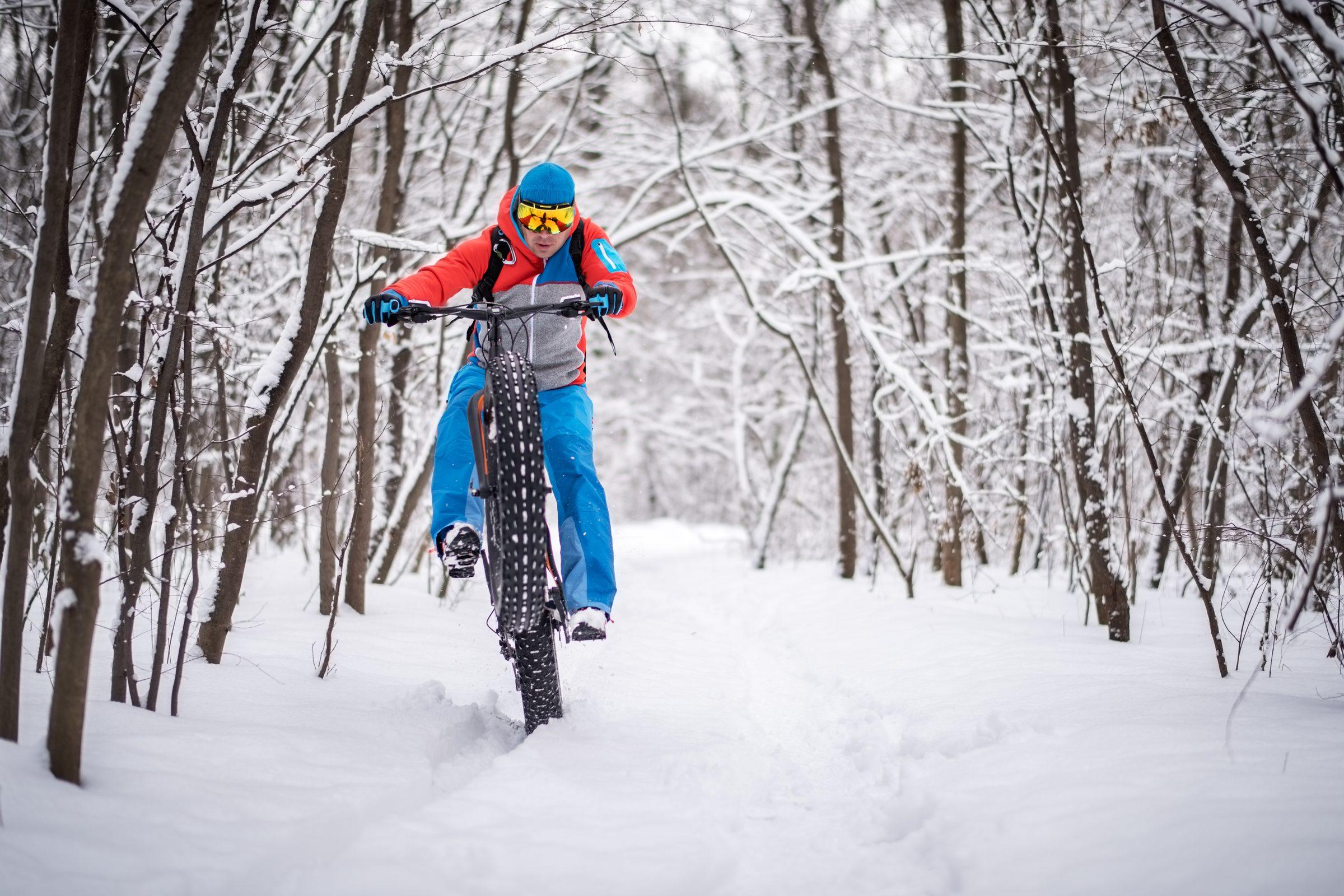
A fat bike is a mountain bike with tires about twice as wide as normal, run at low pressure so they float on snow, sand and soft dirt. If you can ride a bicycle, you can ride one, and most first-timers start on a guided tour or a rental on groomed winter trails.
It's pedal-powered, so it isn't a dirt bike, and it's slower than a regular MTB on dry singletrack. Want lift-served downhill laps instead? See Mountain Biking.
What fat biking feels like
The big tires make the bike feel planted and slow to turn at first. On packed snow you roll along at a jogging pace, and the bike soaks up bumps that would bounce a regular mountain bike. Soft or freshly fallen snow is a different story: the front wheel wanders, and you pedal hard just to keep moving.
Most people are surprised how warm they get. Pedaling through snow is steady work, so you heat up fast on climbs and cool down fast when you stop.
Who can go
Anyone who can ride a bike can try it. You don't need mountain biking experience for a groomed trail tour, because the tires are forgiving and the pace is slow. Cold and snow depth are the real limits. Kids who ride confidently can often join, but each outfitter sets its own minimum age and bike sizes, so ask before you book.
Fitness matters more than skill. A flat, packed loop feels like an easy bike ride, while a hilly trail in loose snow is a real workout. Tell the guide your fitness level so they can pick the loop.
What to wear
Dress like you're going cross-country skiing, not downhill skiing:
- Thin layers you can open or take off, with a windproof outer layer
- Warm gloves or bar mitts, and a thin hat or buff under the helmet
- Waterproof boots or warm shoes that fit on flat pedals
- A helmet (tours usually supply one)
- Water in an insulated bottle or a pack worn under your jacket, so it doesn't freeze
Check the wind chill, not just the temperature, before you go. At 0°F with a 15 mph wind, the wind chill is -19°F, and exposed skin can freeze in 30 minutes (weather.gov).
Snow, sand or dirt?
Snow is the classic fat bike ride: groomed winter trails at nordic centers, ski areas and state parks. Riding is easiest when the snow is packed and cold.
Sand and dirt are year-round options in some places. In Great Sand Dunes National Park, for example, fat bikes can ride sandy sections of a primitive road where standard mountain bikes can't, but only while the sand isn't too soft and dry (nps.gov).
Trail rules
Groomed fat bike trails have rules to protect the surface. Stay off groomed cross-country ski tracks, and ride with wide tires at low pressure so you don't leave ruts. Michigan's state parks ask for tires that are 3.7-inch or wider, inflated to no more than 4 psi (michigan.gov).
If your tires sink in and leave deep ruts, the trail is too soft to ride. Turn around and come back when it firms up.
What it costs
Exact prices come from the outfitter, so ask when you book. A rental costs less than a guided tour, and most tours include the bike and helmet. What moves the price: tour length, group or private, whether a trail pass is included, and the season.
Where to find fat biking companies
Seeking Adrenaline has 10 fat biking companies in 8 states. They are in alphabetical order, and the number is how many companies we have there. Search a city or ZIP at the top of the page to see them.
- Idaho (1)
- Massachusetts (1)
- Michigan (2)
- Minnesota (1)
- New Hampshire (2)
- Oregon (1)
- Utah (1)
- Wyoming (1)
Related activities
Sources
- National Weather Service: understanding wind chill weather.gov
- NPS Great Sand Dunes: fat biking nps.gov
- Michigan DNR: fat-tire biking michigan.gov
About the Seeking Adrenaline team
Our guides are drafted with help from automated tools, then reviewed by the Seeking Adrenaline team.
