
Understanding Whitewater River Classes
Reviewed by the Seeking Adrenaline team
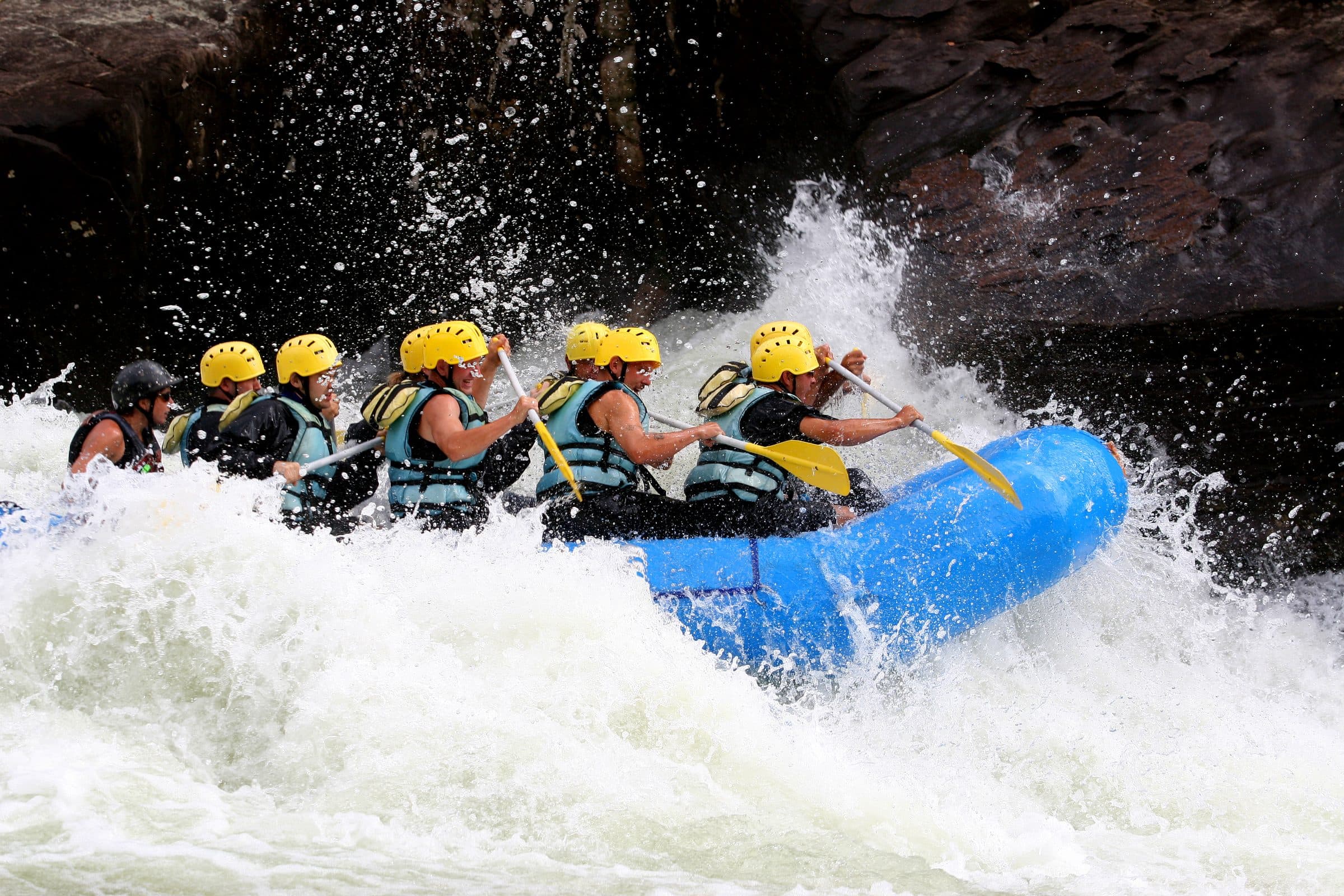
River class is the single most useful line on a rafting trip page. It describes the water, not the scenery. Class I–II is where most first-timers and families start. Class IV–V is not a first date with whitewater.
Seeking Adrenaline does not rate rivers. The class on the outfitter’s official website is the one that matters the day you go. Water level can move a section up or down in a week.
Quick Facts
- Scale: Class I (easiest) through Class V (expert commercial)
- First-timers: usually Class II or II–III
- Class can change with season and dam release
- Higher class ≠ automatically “better”
- Read the trip page, not a friend’s story from another month
River Class at a Glance
| Class | Difficulty | Typical user |
|---|---|---|
| I | Easy | Families, scenic floats |
| II | Easy–moderate | First-timers |
| III | Moderate | Most adventure seekers |
| IV | Difficult | Experienced rafters |
| V | Expert | Advanced whitewater |
Class I–II
Moving water, small waves, easy to recover. Scenic floats and many family trips live here. You will still get wet.
Class III
Named rapids, bigger waves, clear channels. Exciting for most adults. Many “beginner-plus” half-days are II–III.
Class IV
Powerful, technical, longer recoveries. Experienced guides, tighter age and swim expectations. Not the default first trip.
Class V
Expert commercial water. Long rapids, serious consequences. Generally not recommended for beginners.
Which River Class Should I Start With?
Most first-time rafters should book Class II or a beginner-focused Class II–III trip.
Why the Same River Changes
Spring runoff and dam releases raise volume. An outfitter may raise the minimum age or cancel a family product in high water. That is the class system working.
Beginner Mistakes
- Booking Class IV because the photos look better
- Assuming August feels like May on the same stretch
- Mixing a scenic float with a video from a different section
FAQ
What class should a first-timer book? Class II or a listed II–III beginner trip.
Is Class III safe for kids? Sometimes, above that yard’s minimum age and at that day’s level. The site will say.
Does Class II mean boring? No. It means the boat is doing work you can follow.
Is Class IV better than Class III? Not necessarily. Most first-time rafters have more fun on a trip they can actually enjoy than on a trip they spend worrying about.
Ready to Find an Outfitter?
Search whitewater rafting near your ZIP. Start at Water.
---
Find this near you
Enter a city, state, or ZIP to see operators within 50 miles. Or browse Water. Book on the operator’s official website.
Find operators
Browse Water for Whitewater rafting operators, or jump to one of these live listings:
- Denali Outdoor CenterDenali Park, AKViewWebsite
- Denali Outdoor CenterHealy, AKViewWebsite
- Denali Raft AdventuresDenali Park, AKViewWebsite
- New Wave AdventuresDenali Park, AKViewWebsite
- NOVA Alaska GuidesGlacier View, AKViewWebsite
- NOVA Alaska GuidesHope, AKViewWebsite
- St. Elias Alpine GuidesMcCarthy, AKViewWebsite
- Montgomery WhitewaterMontgomery, ALViewWebsite
- Whitewater Express Blue HeronPhenix City, ALViewWebsite
- Buffalo Outdoor CenterPonca, ARViewWebsite
- Rio Buffalo OutfitterJasper, ARViewWebsite
- Arizona Raft AdventuresFlagstaff, AZViewWebsite
Related Whitewater Rafting Pages
- Whitewater Rafting
- First-Time Whitewater Rafting Checklist
- What to Wear Whitewater Rafting
- Can You Go Rafting If You Can't Swim?
- Family-Friendly Rafting Trips
- Where to Go Whitewater Rafting in the United States
- How Much Does Whitewater Rafting Cost?
- How Long Does a Whitewater Rafting Trip Take?
- What Does Whitewater Rafting Feel Like?
- Common First-Time Rafting Questions
- Whitewater Rafting Gift Certificates
- What Happens If You Fall Out of a Raft?
About the Seeking Adrenaline team
Our guides are drafted with help from automated tools, then reviewed by the Seeking Adrenaline team.
